Estranha Natureza
Estranha Natureza
Ricardo Sardenberg
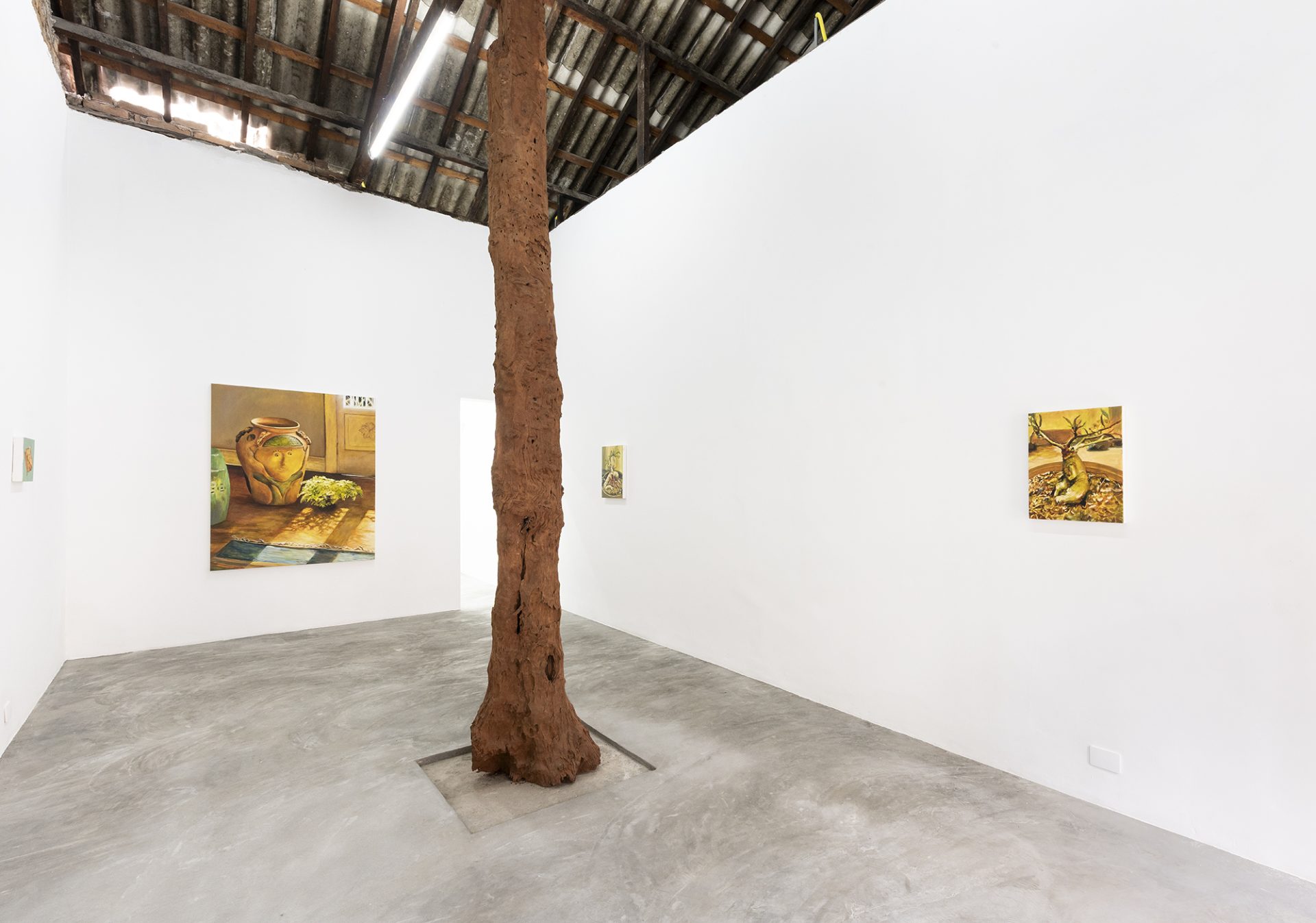
A Sardenberg tem o prazer de apresentar Estranha Natureza, de Adriana Coppio. Plantas, insetos, construções e figuras humanas oferecem a proximidade de um mundo conhecido. Aos poucos, as formas admitem outras leituras. Um tronco sugere um corpo, um inseto se confunde com um galho, uma reunião de crianças adquire a gravidade de uma aparição. O reconhecimento abre uma pergunta. “Estranha” designa tanto aquilo que vemos quanto o movimento de um olhar que começa a rever suas certezas.
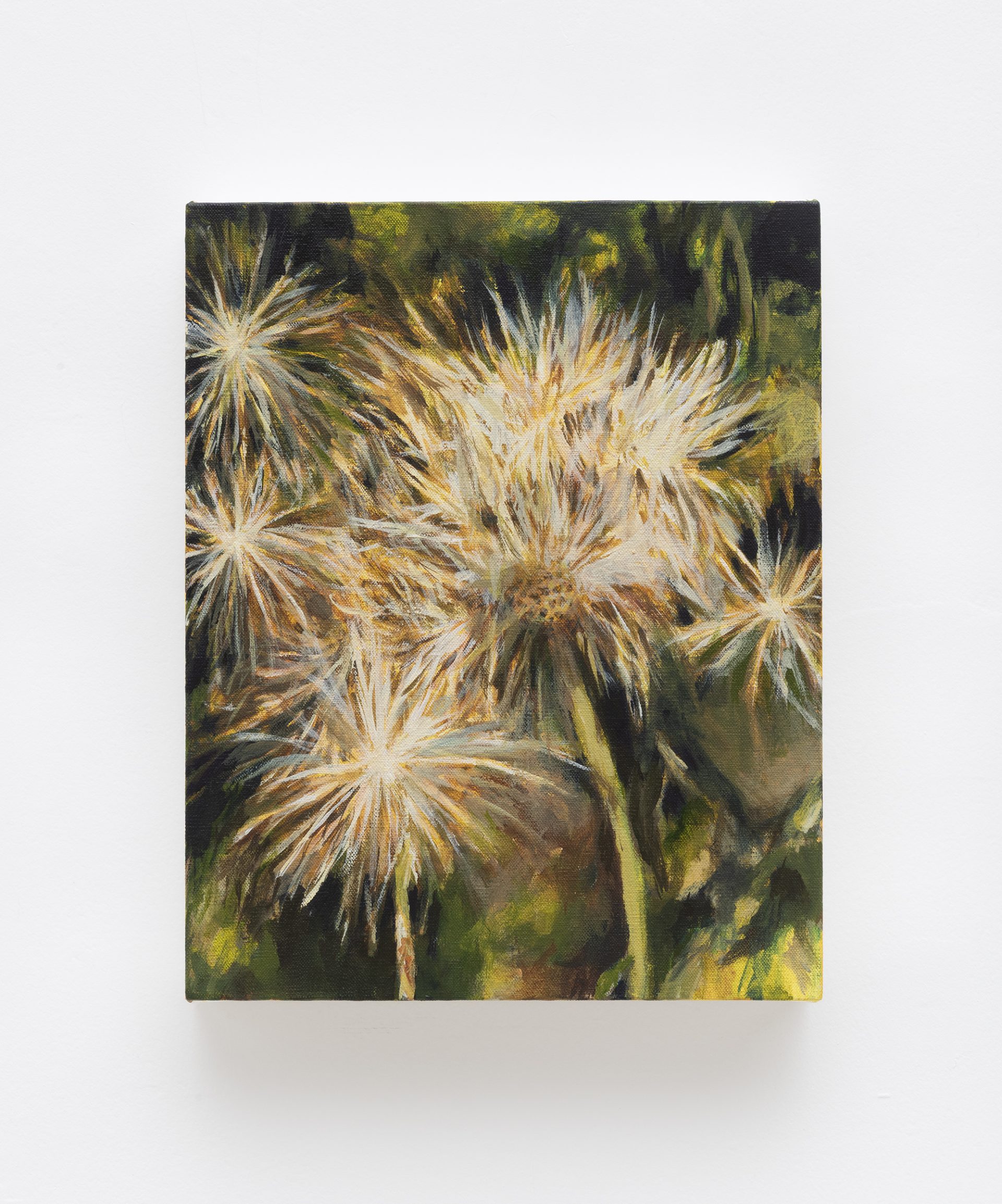
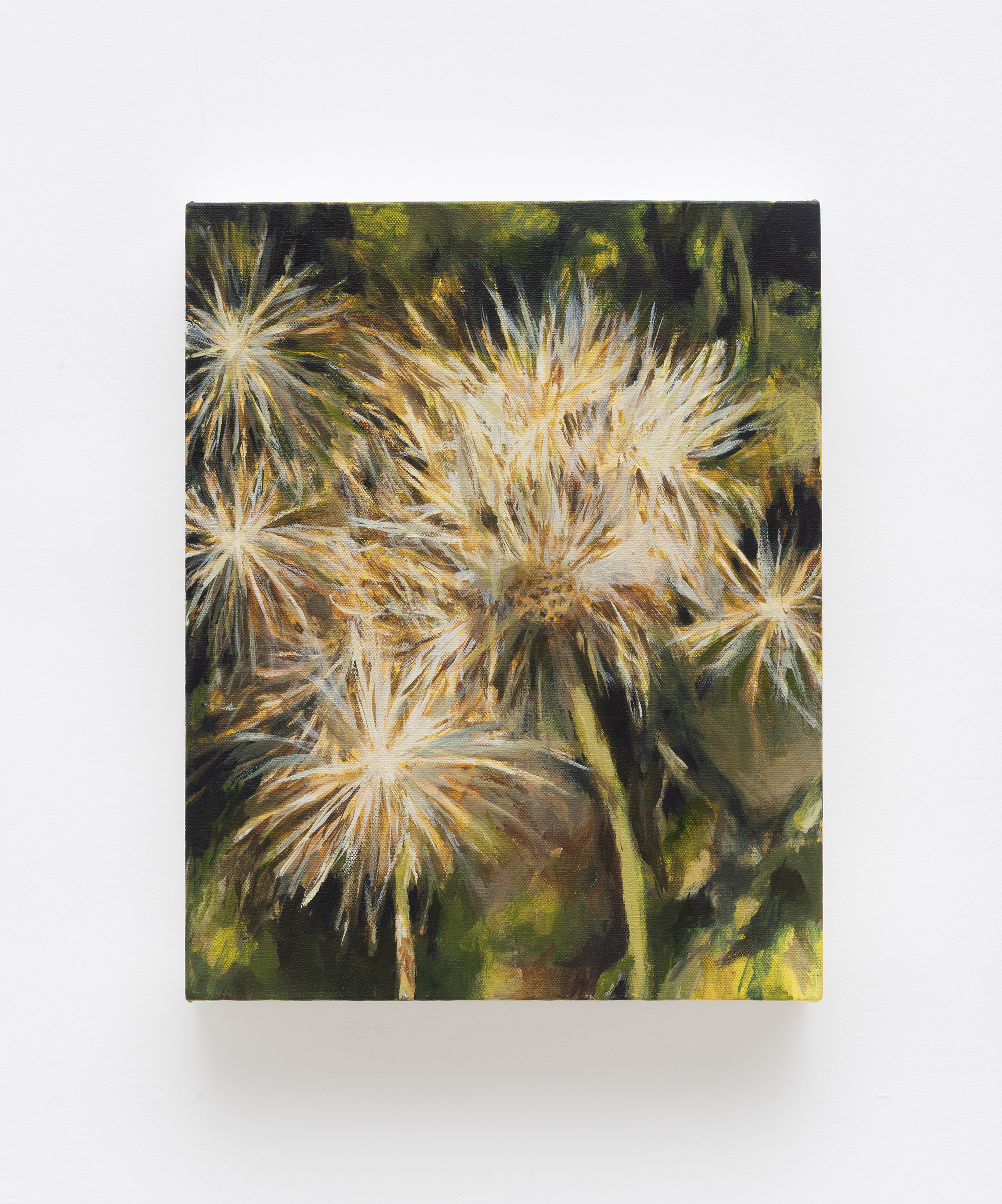
Nas pinturas em acrílica de Coppio, a cor participa dessa dúvida. Amarelos e ocres aproximam matérias distintas, verdes se adensam nas sombras, rosas ganham intensidade junto aos azuis. A luz parece emergir do fundo da tela ou concentrar-se numa superfície, conferindo-lhe uma presença inesperada. O olhar acompanha essas relações, descobre semelhanças e depois as desfaz. Uma planta pode sugerir alguém sem deixar de ser planta. A imagem sustenta ambas as percepções.
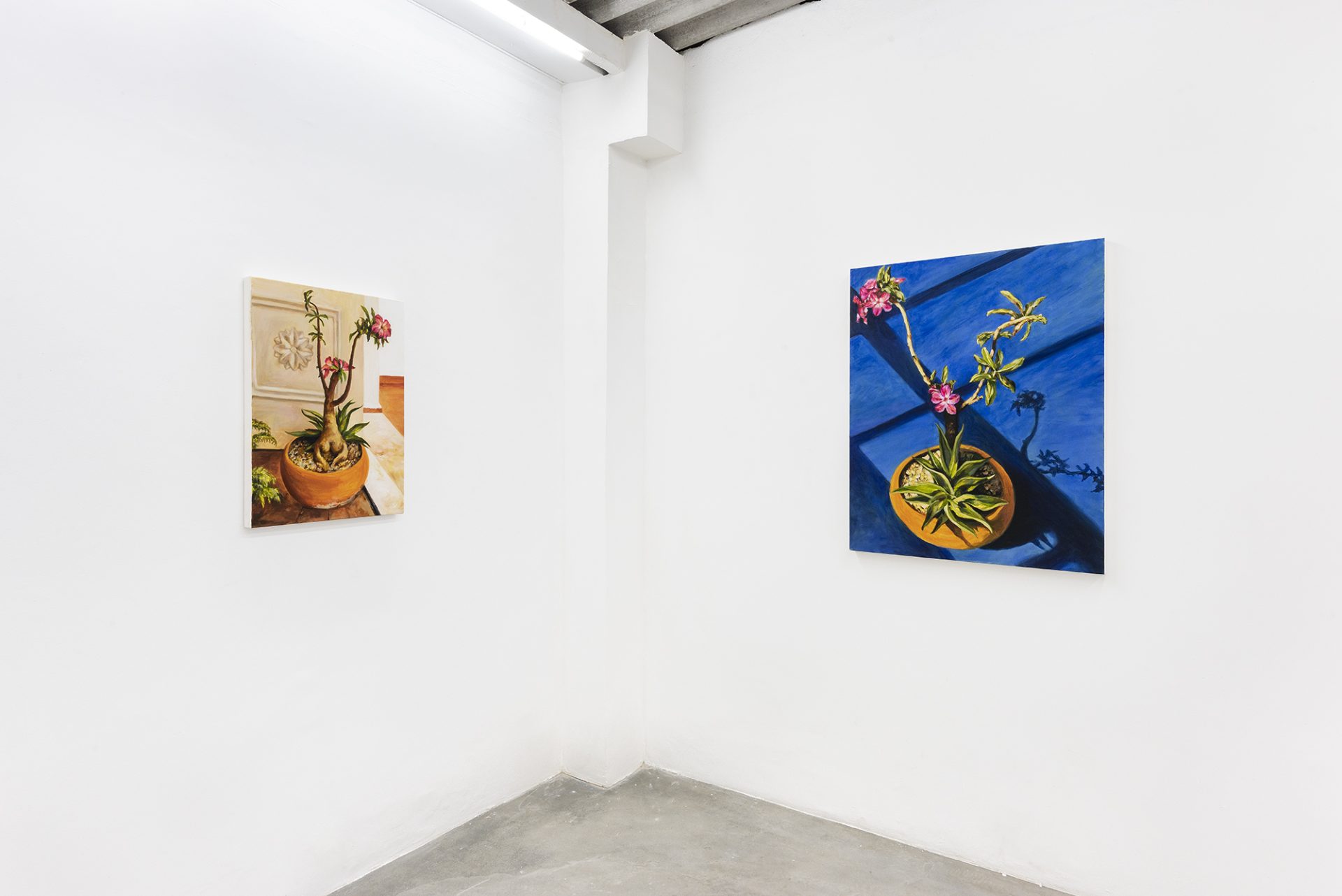
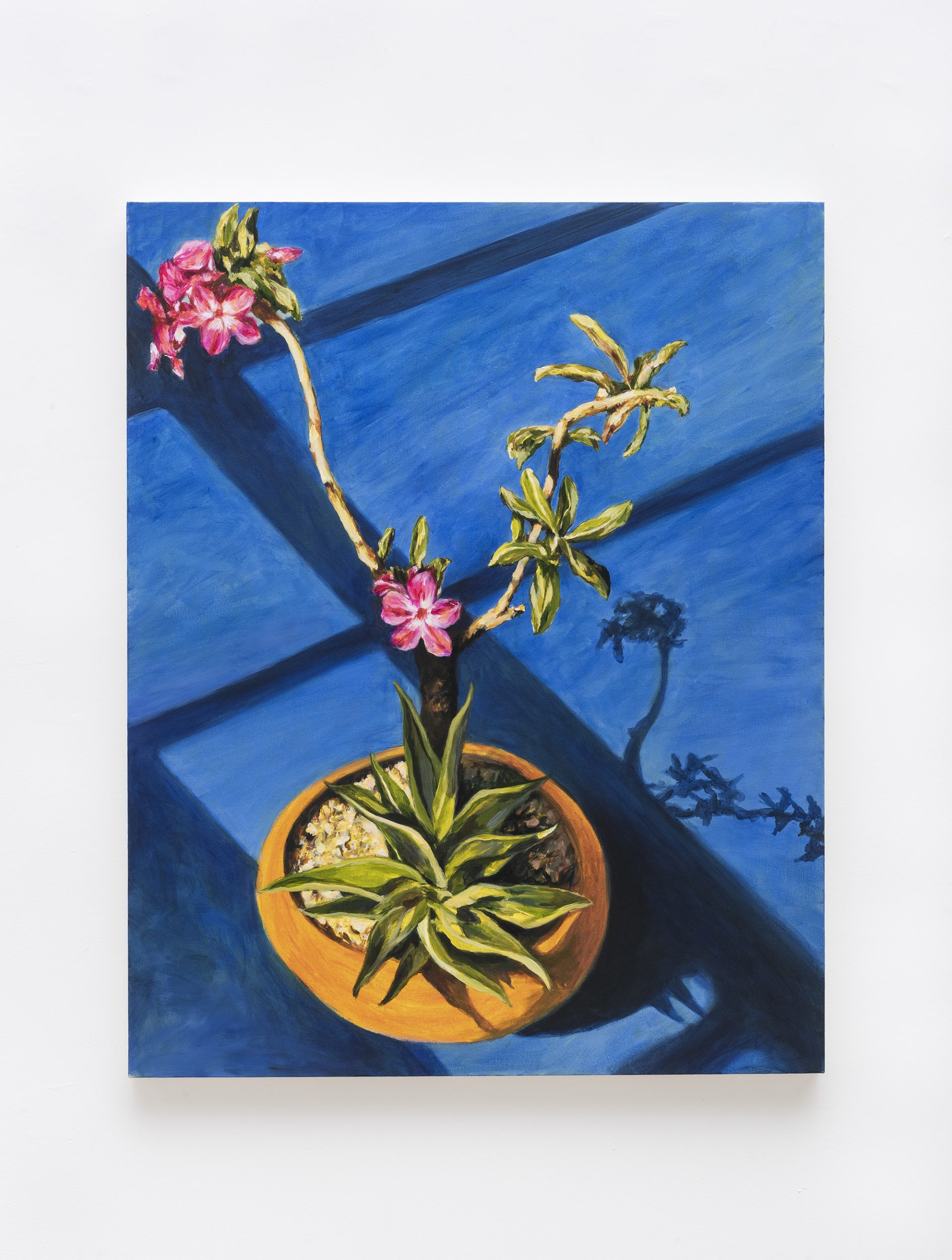
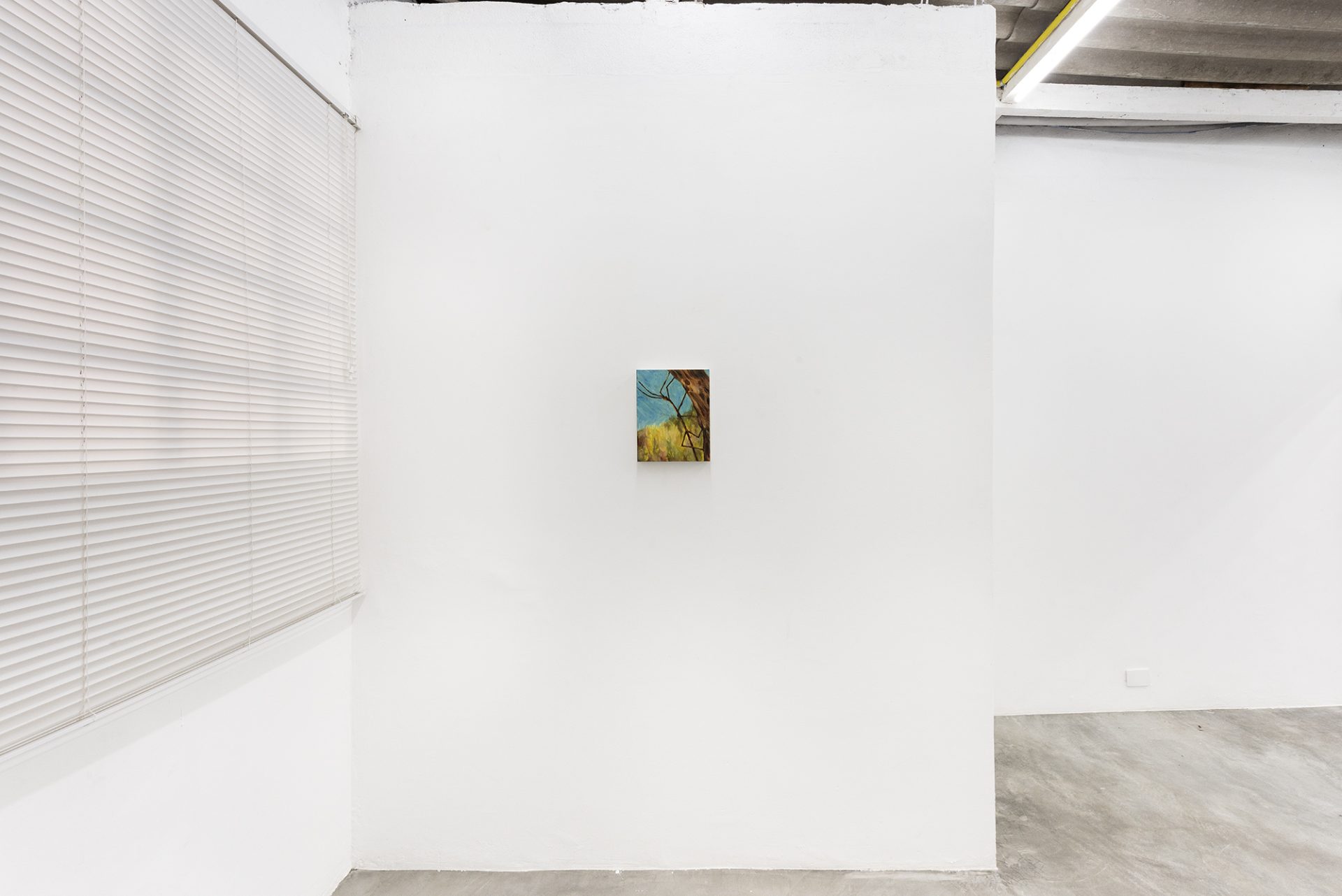
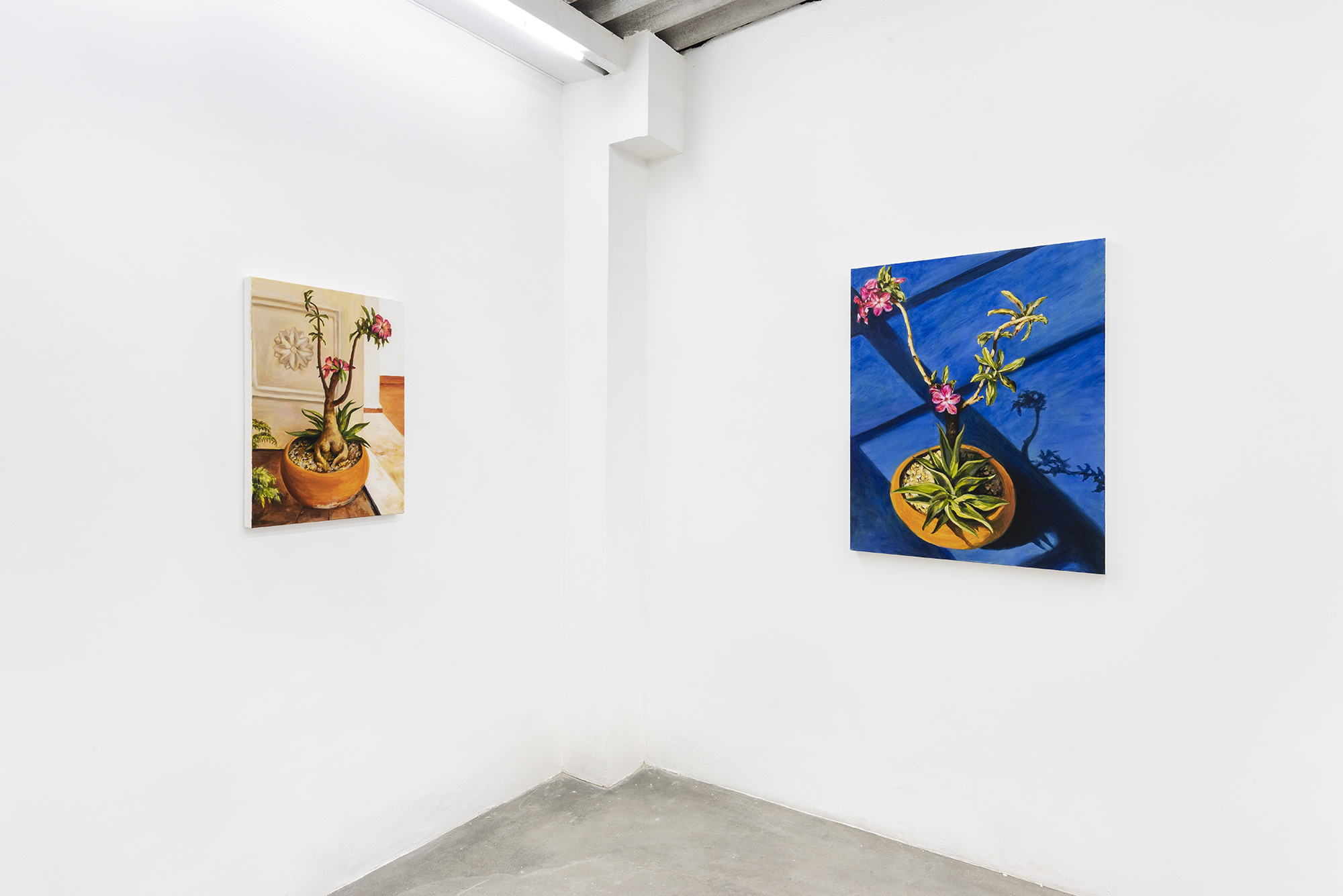
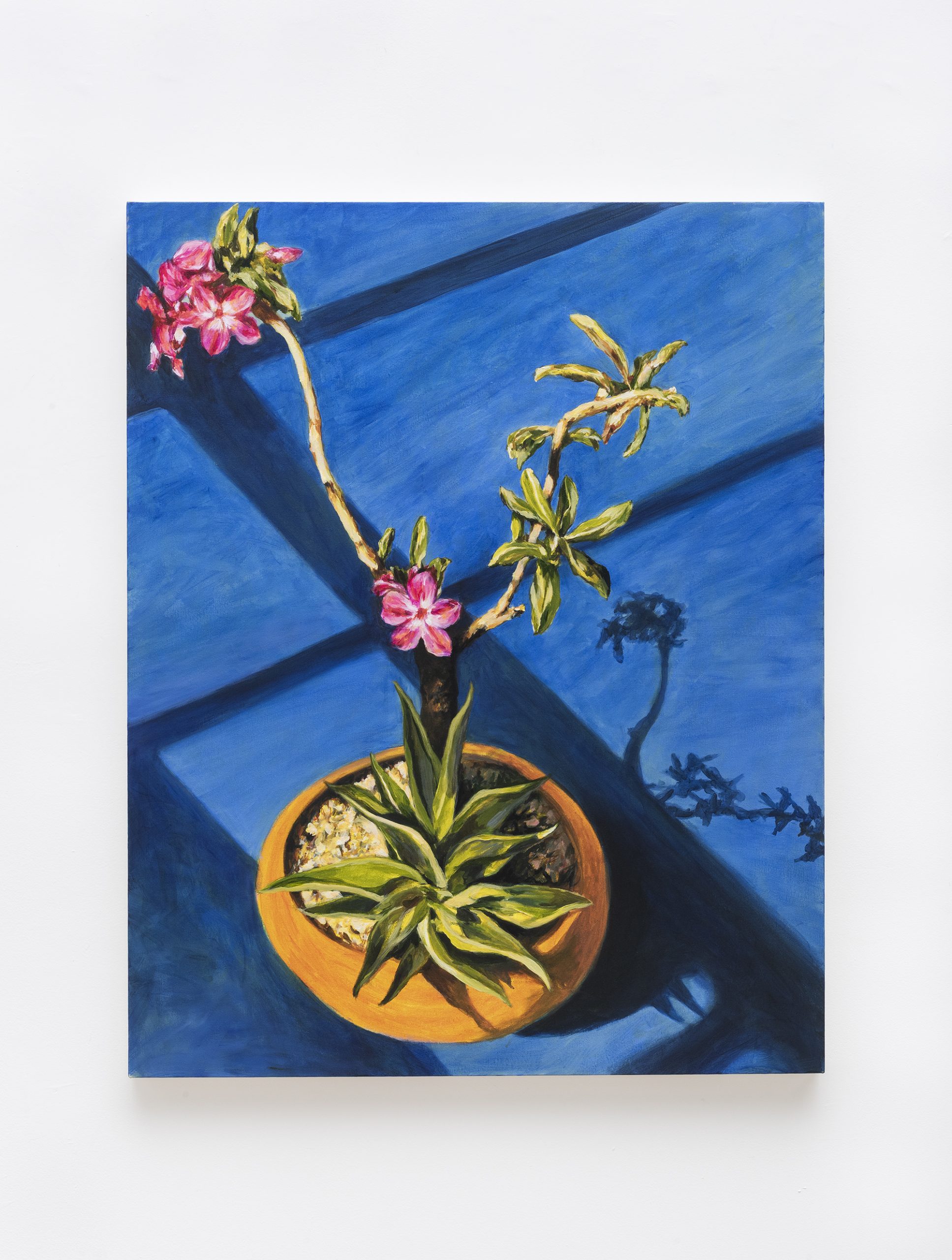
Em Exuberância em Azul, o azul ocupa grande parte da tela e altera a escala perceptiva do vaso. O recipiente alaranjado e as flores rosas avançam contra esse campo, enquanto diagonais escuras o atravessam. Os galhos e suas sombras oferecem configurações diferentes de um mesmo organismo. A intensidade cromática confere à planta uma presença que encontra ressonância no protagonismo do vegetal em Tarsila do Amaral. Coppio preserva as irregularidades e texturas do crescimento, fazendo a cor conviver com a observação minuciosa da matéria.
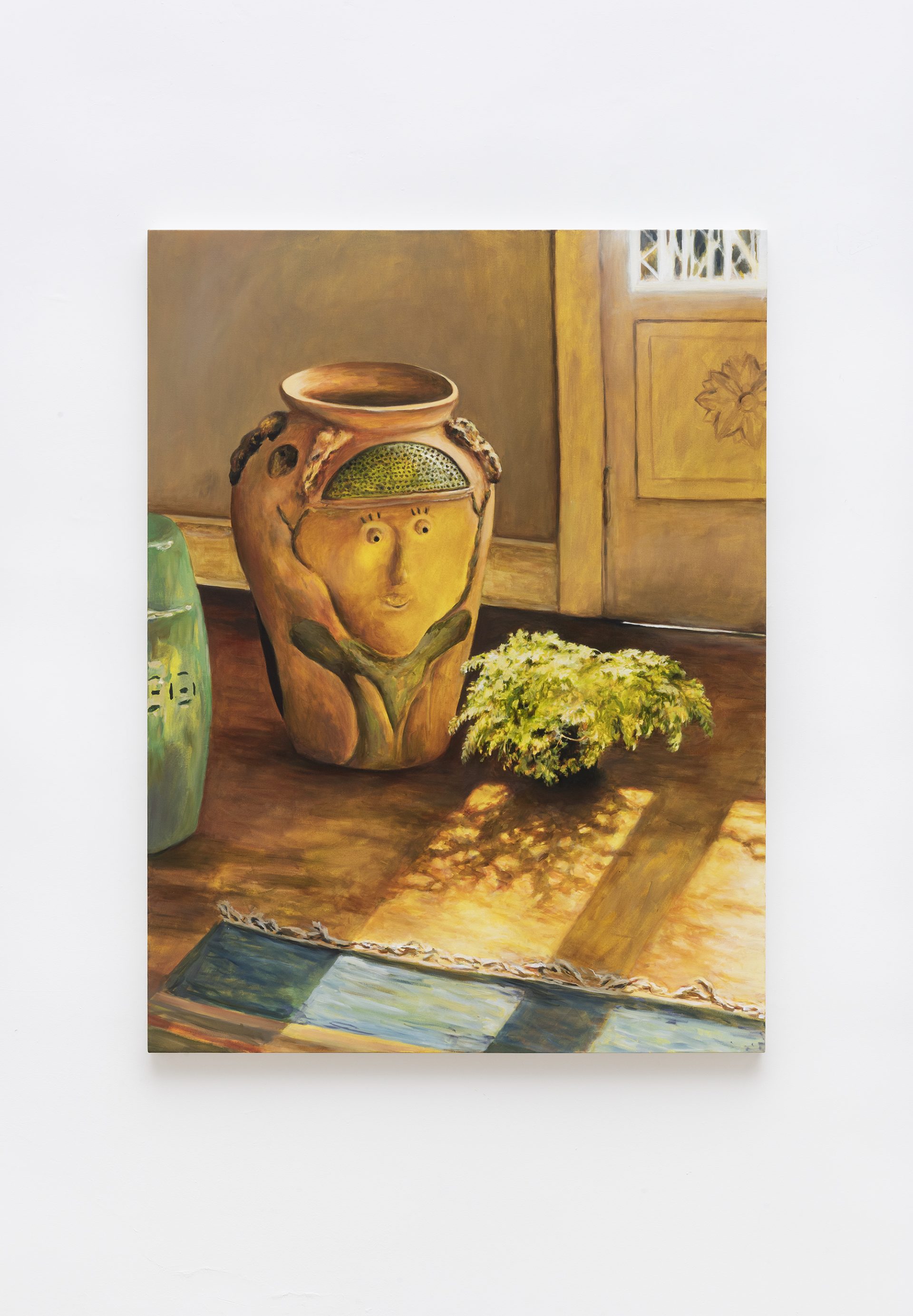
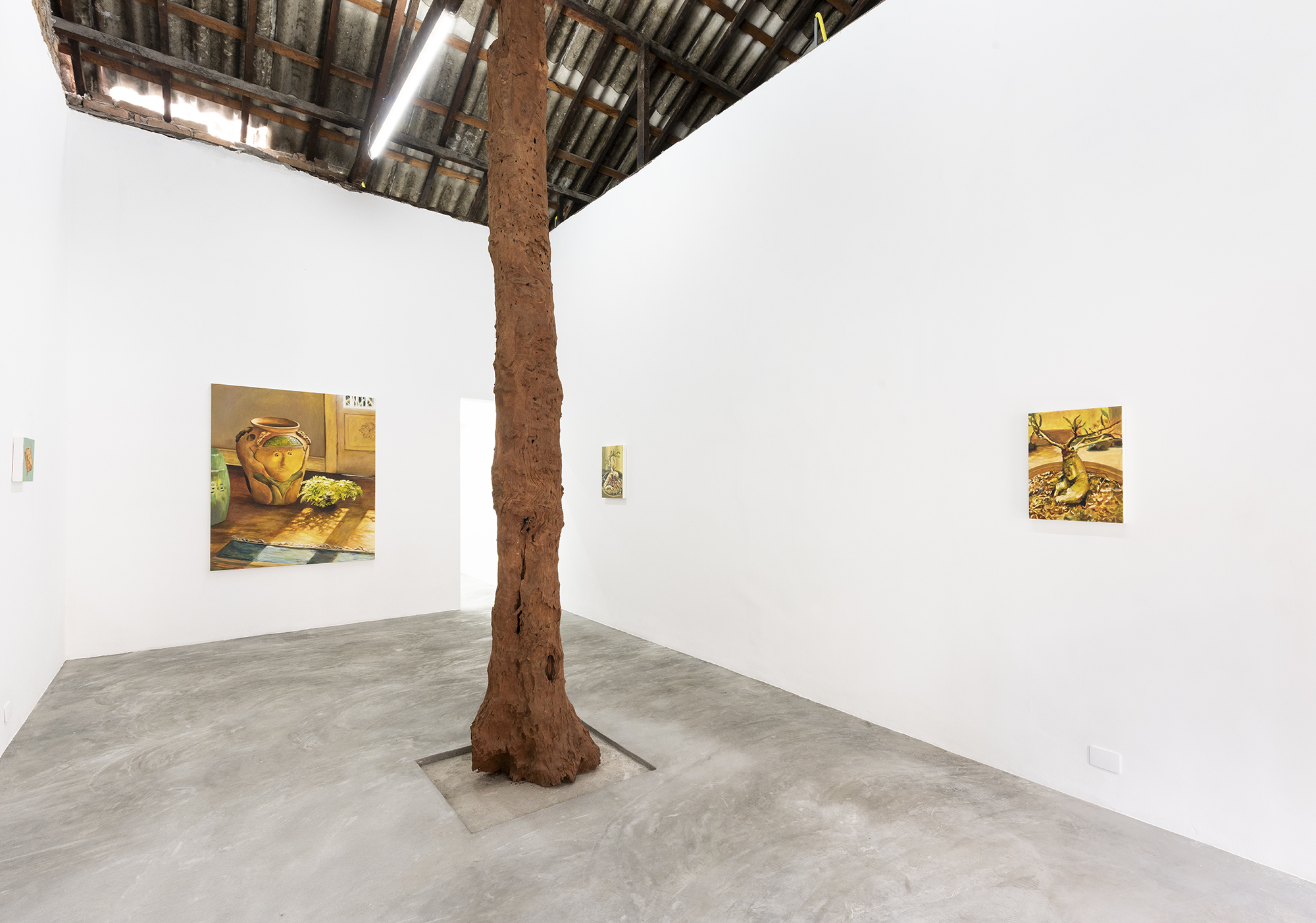
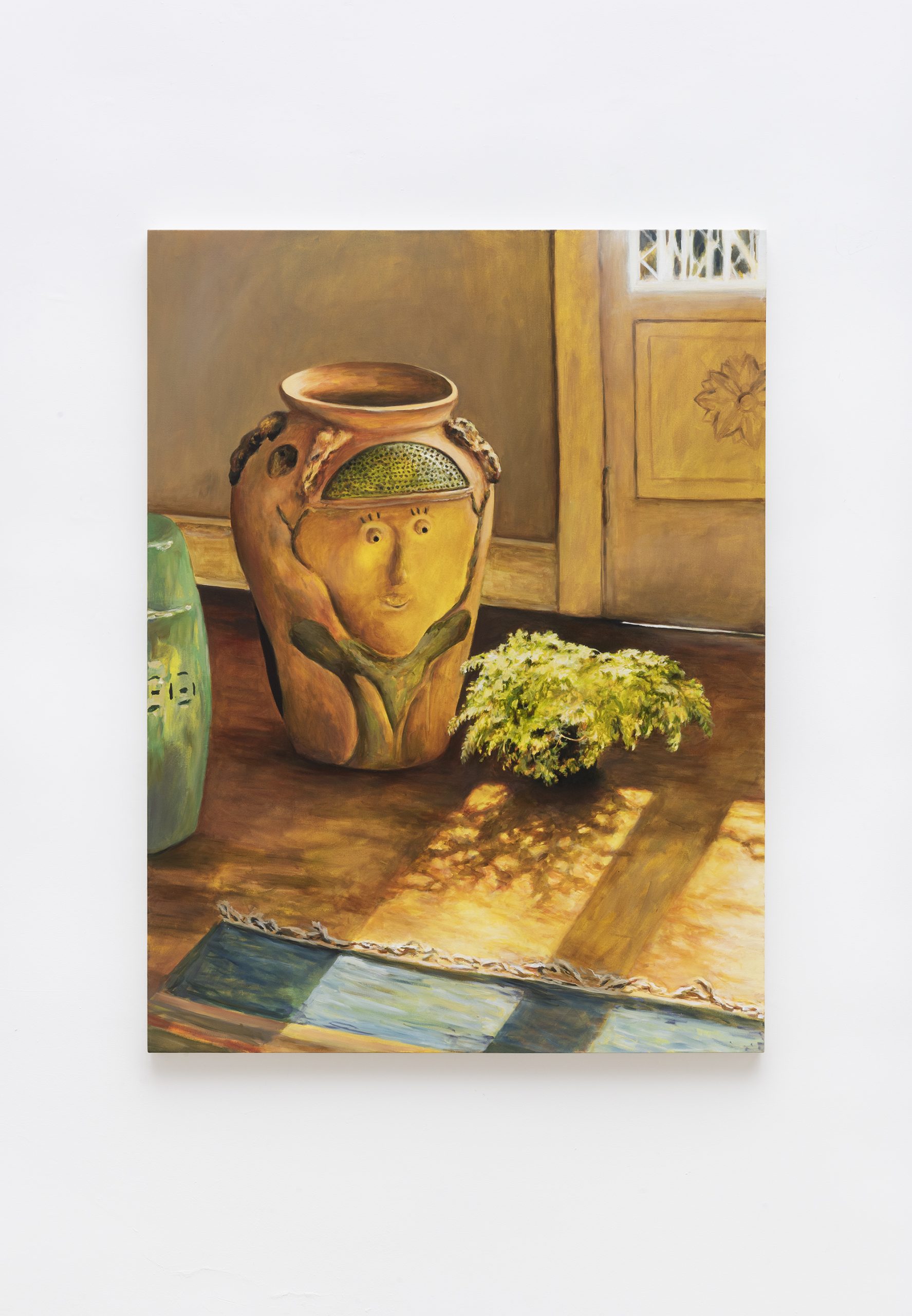
Em Florida, os tons quentes do vaso, do tronco e do piso estabelecem continuidades, interrompidas pelos claros da parede. Ao fundo, uma flor esculpida encontra sua contraparte na planta viva. A repetição do motivo aproxima ornamento e organismo, mas seus tempos divergem. Uma forma foi fixada na arquitetura; a outra permanece sujeita ao crescimento. Na base avolumada da rosa-do-deserto, podemos reconhecer membros ou um corpo recolhido. Essa anatomia possível aproxima a pintura das continuidades entre corpo e natureza exploradas por Maria Martins. Em Coppio, a metamorfose permanece suspensa no olhar, que pode reconhecer uma figura humana e voltar a perceber a planta.
Sua toxicidade acrescenta uma tensão à cena. Cultivada pela beleza, ela participa da intimidade doméstica sem se tornar inteiramente inofensiva. O vaso acomoda essa convivência entre atração e risco. Também a flor esculpida merece atenção, pois a pintura dá espessura ao que facilmente seria percebido como simples decoração. Diante dela, podemos perguntar quanto de nosso julgamento já estava decidido ao classificarmos alguma coisa como ornamental. O olhar chega às imagens com valores aprendidos, que elas podem colocar em questão.
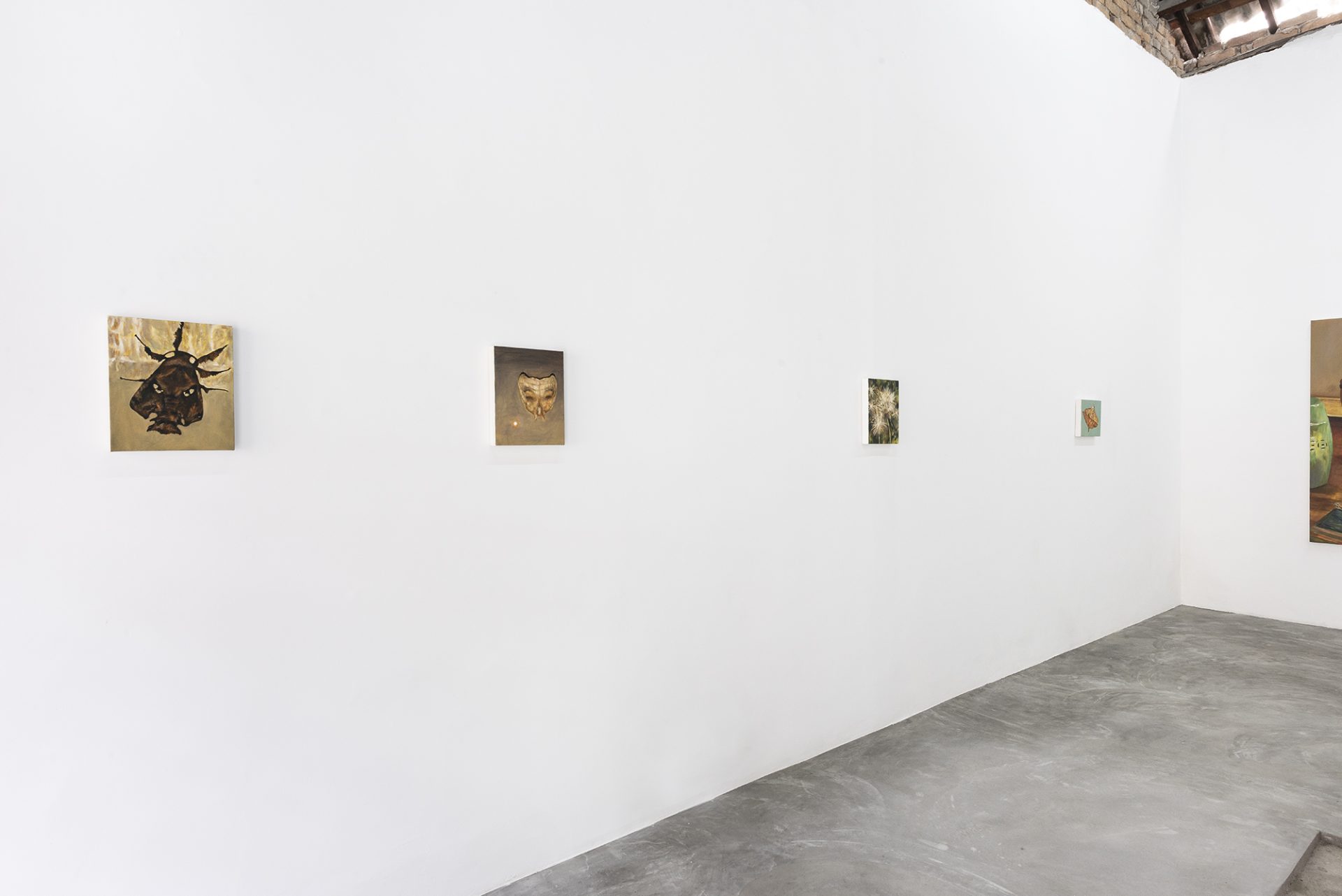
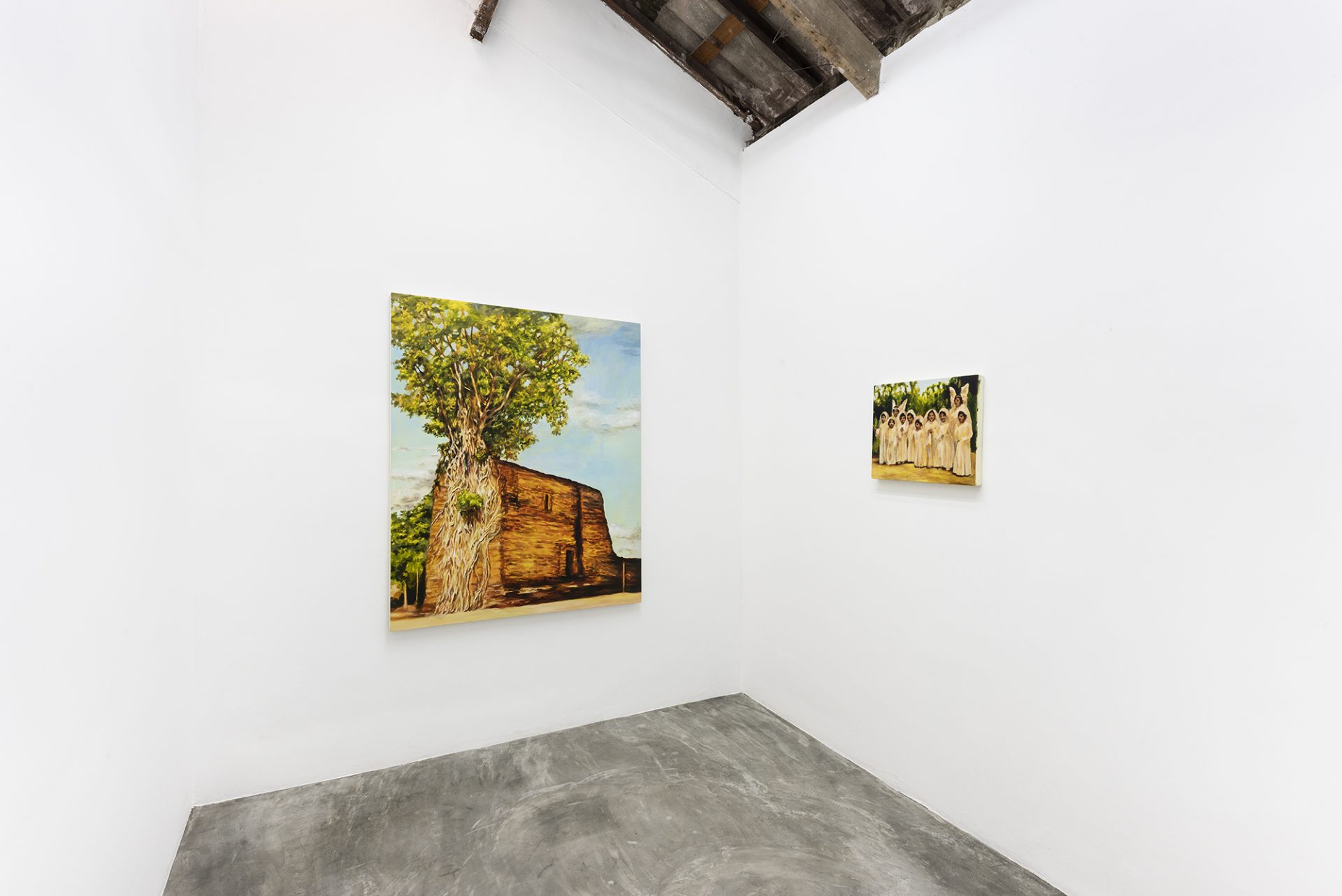
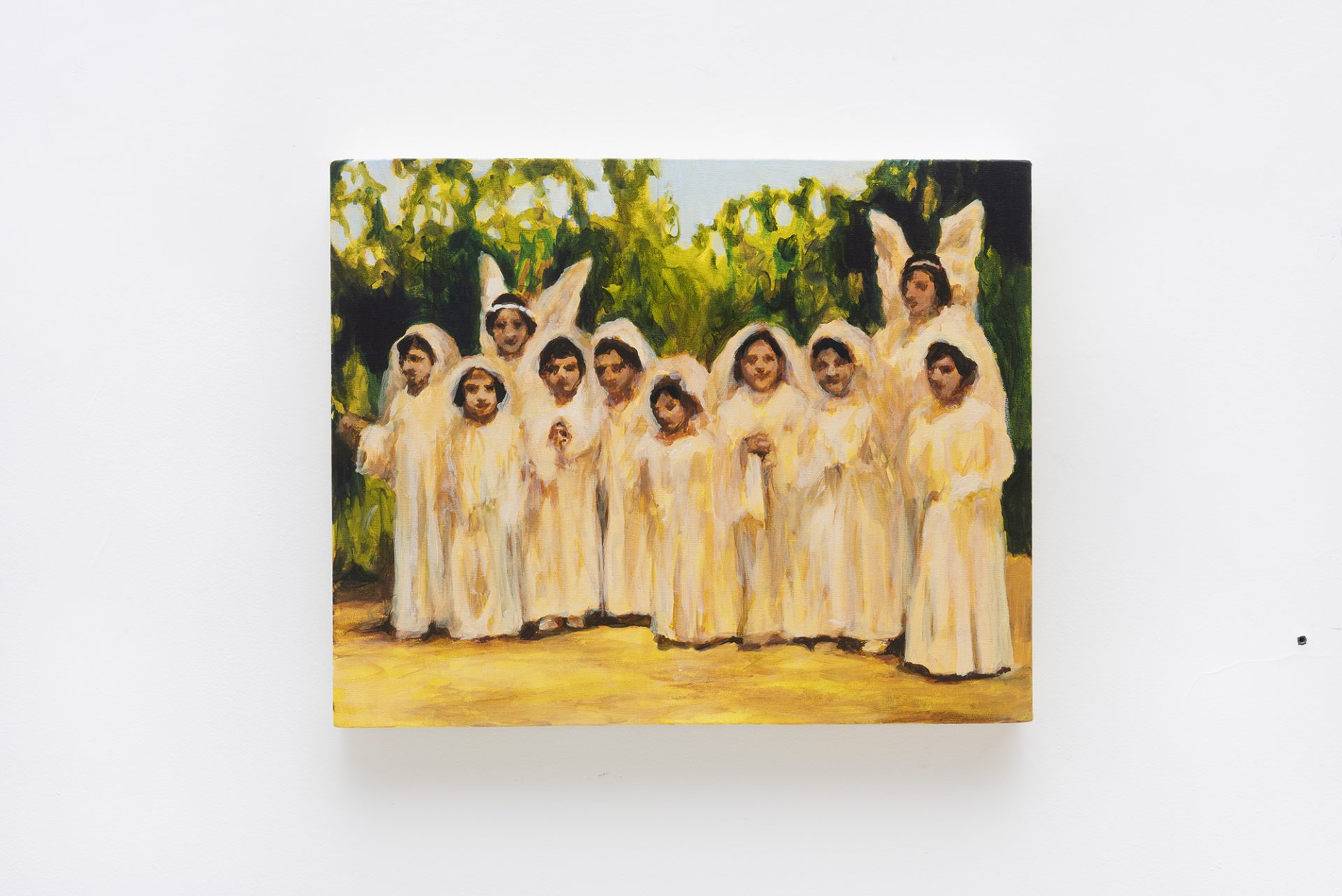
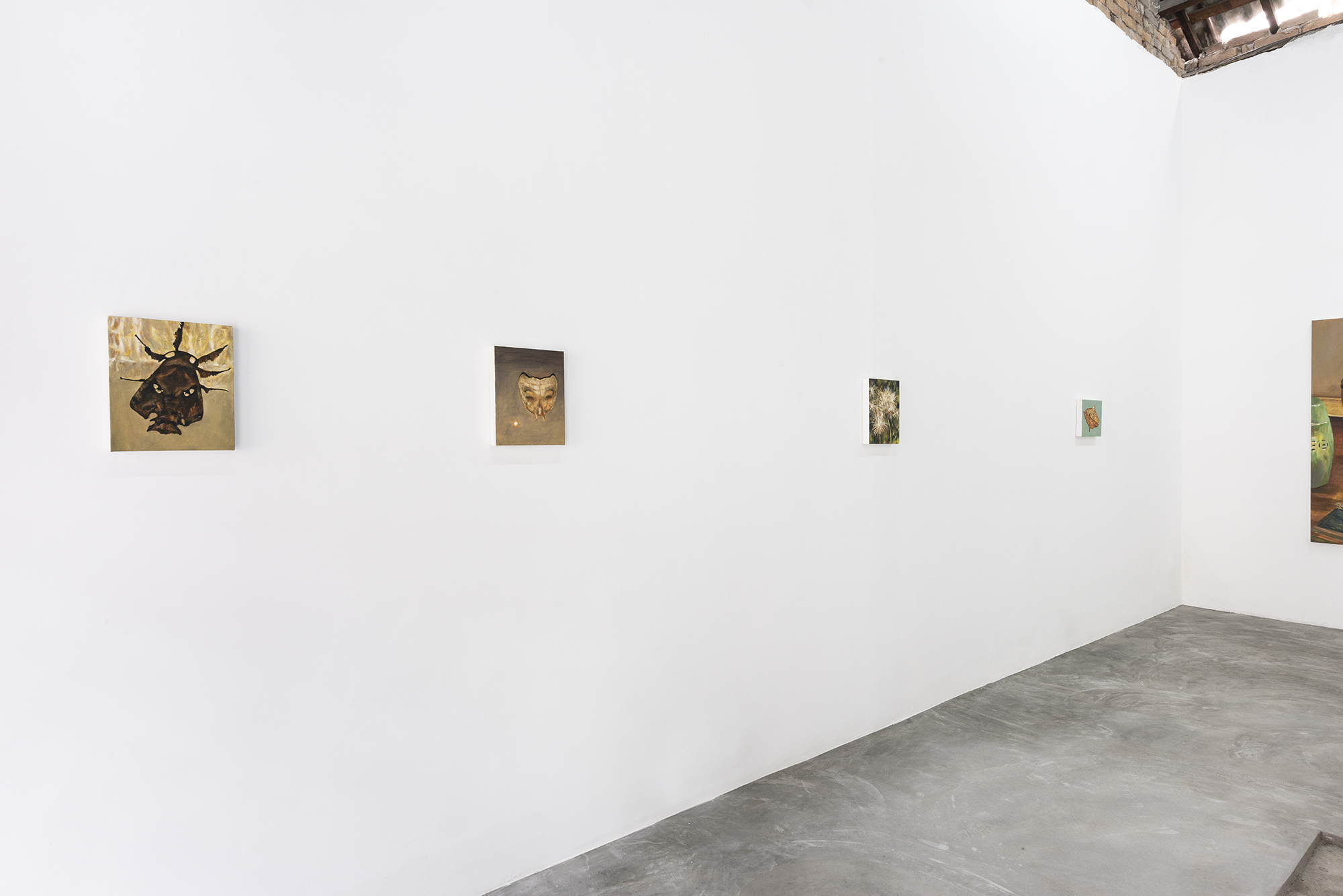
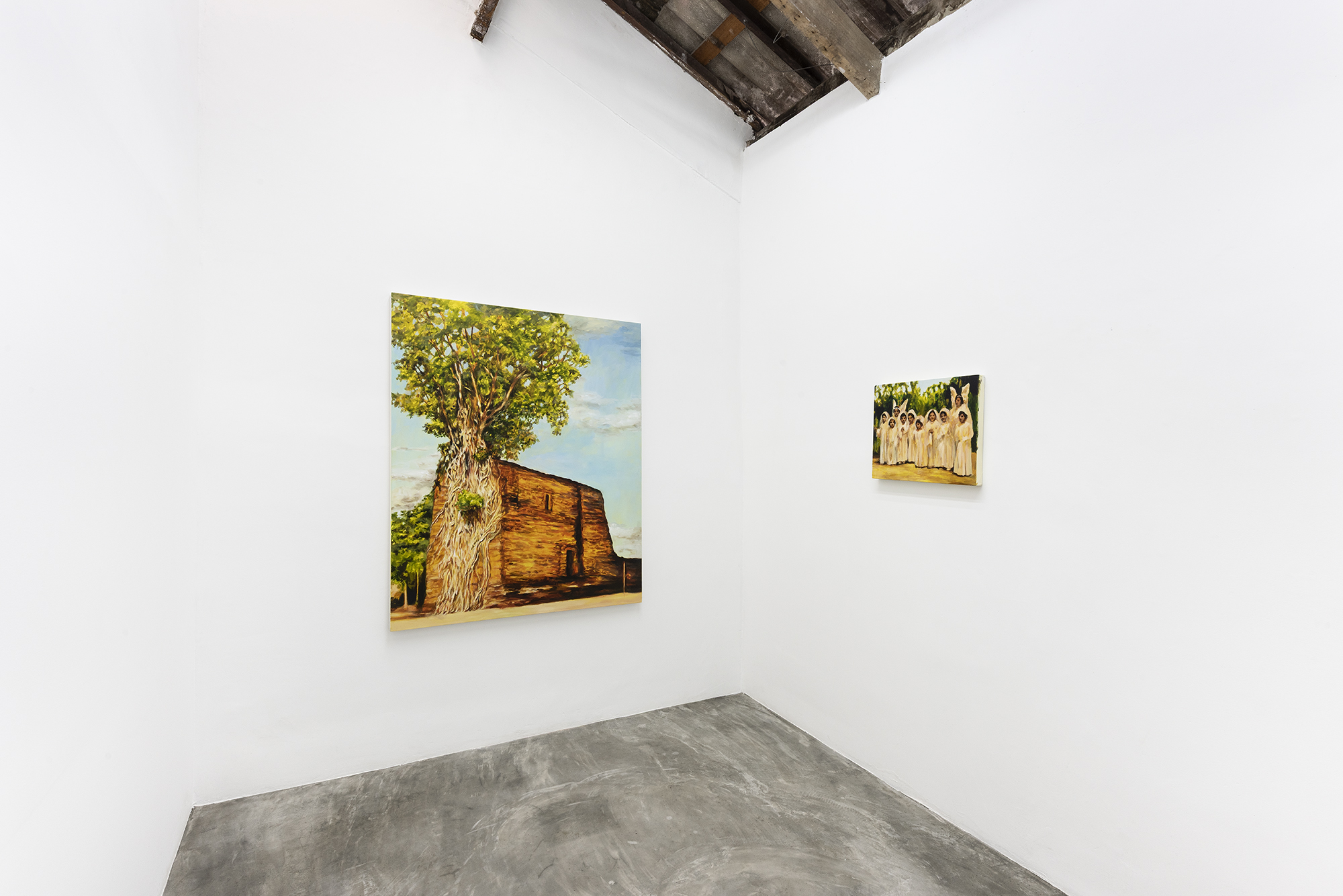
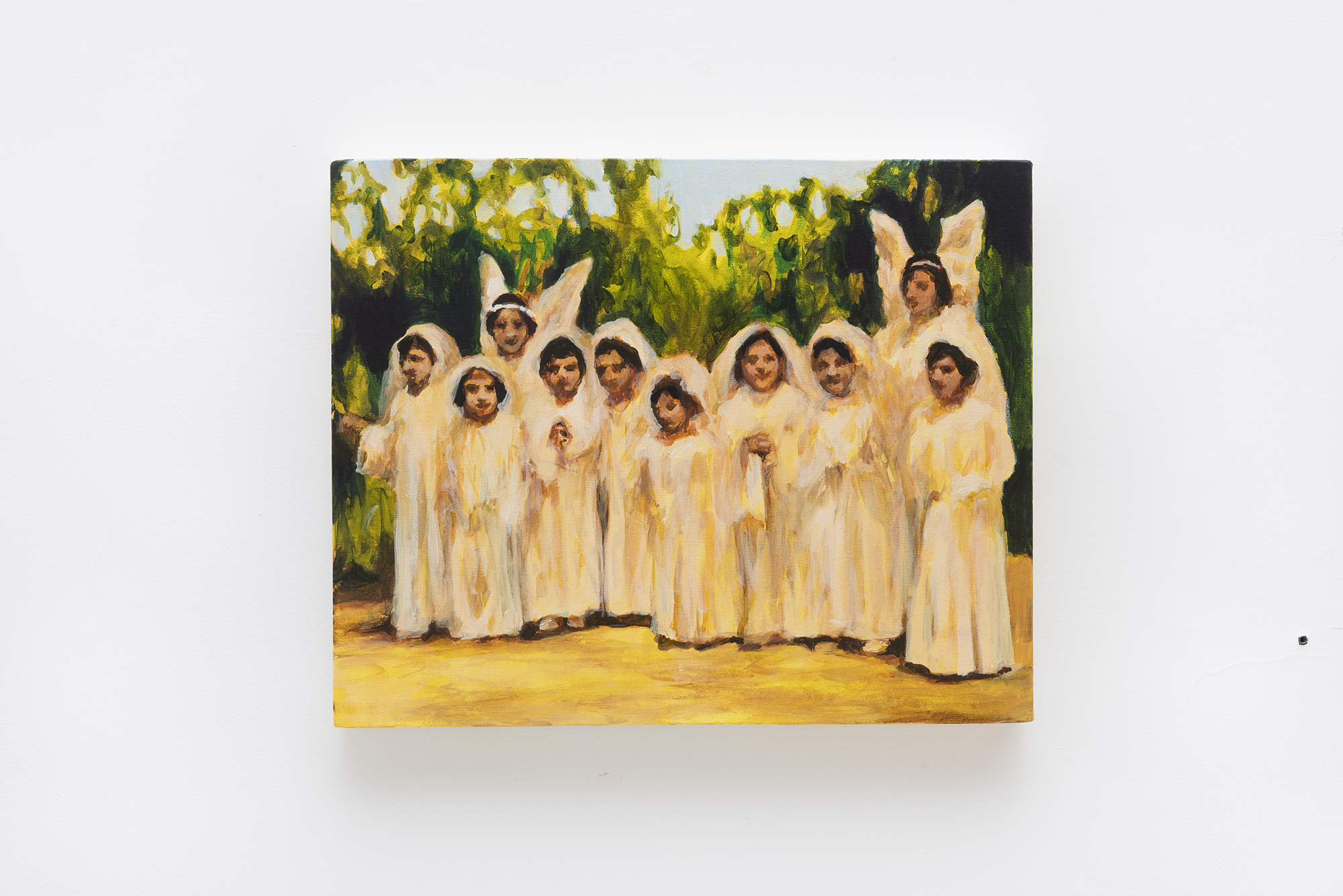
Em Anjos, os claros dos trajes aproximam as crianças numa forma coletiva, enquanto os rostos preservam diferenças e expressões particulares. As asas permitem reconhecer uma encenação religiosa. A frontalidade e a quietude, porém, emprestam ao grupo a solenidade de uma aparição. Esse encontro entre infância, intimidade e imagem sagrada permite uma aproximação com Farnese de Andrade, em cujos objetos bonecos e referências devocionais adquirem uma presença inquietante. A afinidade se estende aos insetos pintados por Coppio, cujas configurações sugerem máscaras ou rostos. Entre a criança vestida de anjo e o inseto que parece devolver nosso olhar, a pintura mantém aberta a dúvida sobre o que constitui uma presença.
A infância comparece na possibilidade de experimentar outra identidade, de vestir uma imagem e oferecer-se ao olhar dos outros. Há uma afinidade com os livros de histórias, nos quais o extraordinário pode surgir dentro de um ambiente familiar. O inquietante se insinua nessa proximidade.
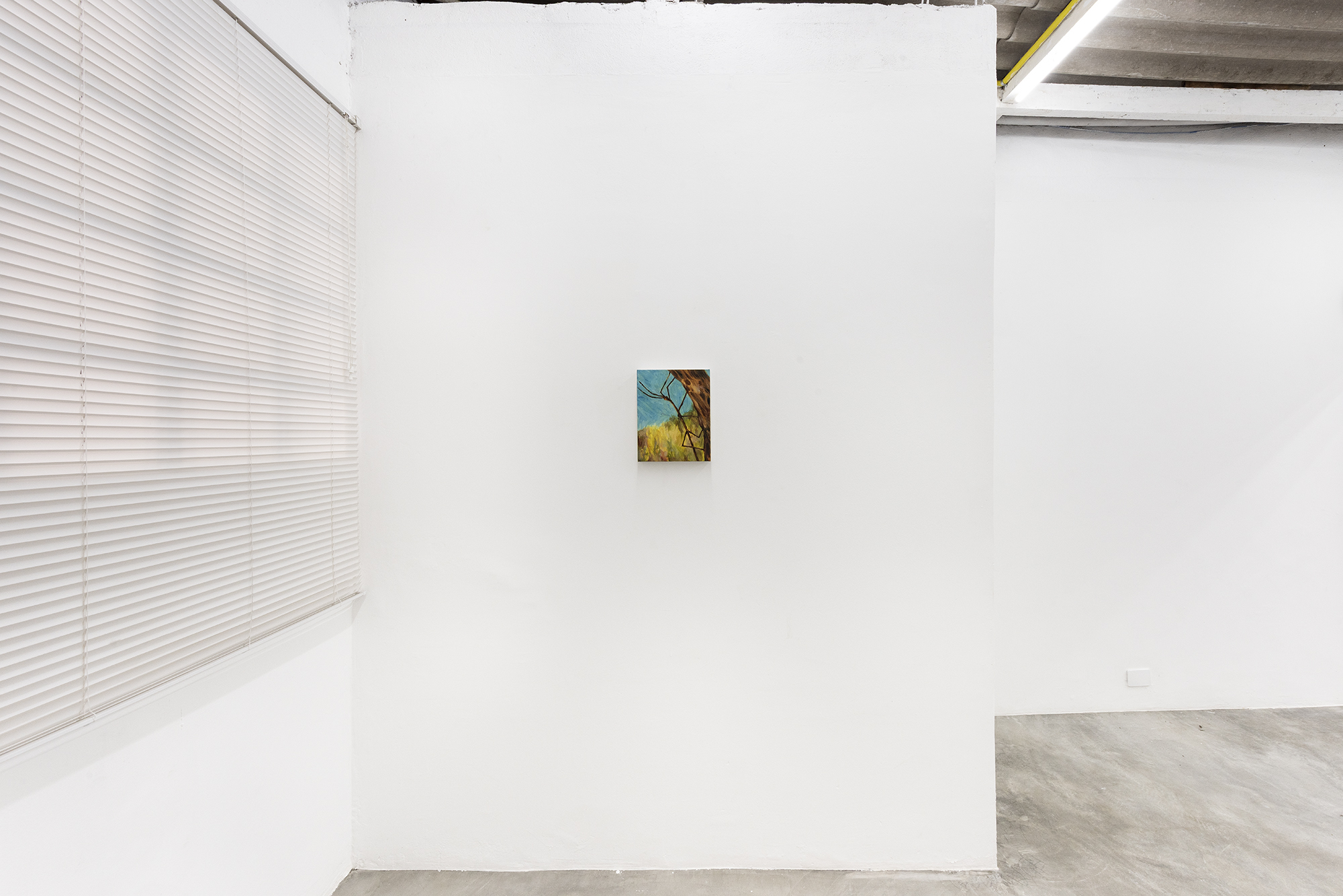
Em Hierofania, os ocres aproximam o tronco e a construção, tornando difícil estabelecer onde termina uma matéria e começa a outra. A copa se abre em verdes e amarelos contra o céu. A árvore que brota da igreja parece participar de sua arquitetura, ao mesmo tempo que a transforma. O título orienta nossa atenção para uma manifestação do sagrado; a pintura mantém em aberto seu lugar. Ele pode estar no edifício, no crescimento vegetal ou na relação que nosso olhar estabelece entre ambos.
Num presente que solicita identificação e resposta imediatas, essas pinturas prolongam o intervalo entre ver e decidir. Sua pertinência está na experiência de perceber que a primeira identificação permanece insuficiente e que precisamos voltar à imagem. A cor nos aproxima, uma semelhança nos detém, um detalhe modifica o conjunto. Em Estranha Natureza, a familiaridade não encerra o encontro. Quanto mais olhamos, mais percebemos o que ainda escapa.
Sardenberg is pleased to present Estranha Natureza, an exhibition by Adriana Coppio. Plants, insects, buildings, and human figures evoke the intimacy of a familiar world. Gradually, these forms invite other readings. A trunk suggests a body, an insect becomes indistinguishable from a twig, a gathering of children takes on the gravity of an apparition. Recognition opens a question. In Portuguese, “estranha” can function as both an adjective and a verb, describing something strange or the act of finding it strange. The title thus refers both to what we see and to a gaze beginning to reconsider its certainties.
In Coppio’s acrylic paintings, color participates in this uncertainty. Yellows and ochres bring distinct materials into relation, greens deepen in the shadows, and pinks grow more intense alongside blues. Light seems to emerge from the depths of the canvas or concentrate on a surface, lending it an unexpected presence. Our gaze follows these relationships, discovering resemblances and then undoing them. A plant can suggest someone without ceasing to be a plant. The image sustains both perceptions.
In Exuberância em Azul, blue occupies much of the canvas and changes the perceived scale of the pot. The orange vessel and pink flowers advance against this field, while dark diagonals cut across it. The branches and their shadows offer different configurations of the same organism. The intensity of the color lends the plant a presence that resonates with the prominence of vegetal forms in Tarsila do Amaral’s work. Coppio preserves the irregularities and textures of growth, bringing color into dialogue with close observation of matter.
In Florida, the warm tones of the pot, trunk, and floor establish continuities interrupted by the lighter tones of the wall. In the background, a carved flower finds its counterpart in the living plant. The repeated motif brings ornament and organism together, yet they inhabit different temporalities. One form has been fixed in the architecture; the other remains subject to growth. In the swollen base of the desert rose, we may recognize limbs or a body curled inward. This possible anatomy connects the painting to the continuities between body and nature explored by Maria Martins. In Coppio’s work, metamorphosis remains suspended in the gaze, which may recognize a human figure and then return to perceiving the plant.
Its toxicity introduces a tension into the scene. Cultivated for its beauty, the plant inhabits the intimacy of the home without becoming entirely harmless. The pot accommodates this coexistence of attraction and risk. The carved flower also merits attention, as the painting gives depth to what might easily be perceived as mere decoration. Looking at it, we may ask how much of our judgment was already settled when we classified something as ornamental. We approach images with learned values that those images can call into question.
In Anjos, the light tones of the garments draw the children together into a collective form, while their faces retain individual differences and expressions. The wings allow us to recognize a religious enactment. Yet the group’s frontality and stillness lend it the solemnity of an apparition. This convergence of childhood, intimacy, and sacred imagery invites a comparison with Farnese de Andrade, whose objects bring dolls and devotional references into an uncanny presence. The affinity extends to Coppio’s painted insects, whose configurations suggest masks or faces. Between the child dressed as an angel and the insect that seems to return our gaze, the painting leaves open the question of what constitutes a presence.
Childhood enters through the possibility of trying on another identity, of wearing an image and presenting oneself to the gaze of others. There is an affinity with storybooks, in which the extraordinary can emerge within a familiar setting. The uncanny finds its way into this intimacy.
In Hierofania, ochres draw the trunk and the building together, making it difficult to determine where one material ends and the other begins. The canopy spreads in greens and yellows against the sky. The tree growing from the church seems to belong to its architecture even as it transforms it. The title directs our attention toward a manifestation of the sacred; the painting leaves its location unresolved. It may reside in the building, in vegetal growth, or in the relationship our gaze establishes between them.
In a present that demands immediate identification and response, these paintings extend the interval between seeing and deciding. Their relevance lies in the experience of realizing that our initial recognition remains insufficient and that we need to return to the image. Color draws us closer, a resemblance holds us, a detail changes the whole. In Estranha Natureza, familiarity does not bring the encounter to a close. The longer we look, the more we perceive what still eludes us.
Exposições / Exhibitions
-
Apocalipse Now
collective show
exposição coletiva
-
Vidas Secas
Adriana Coppio
solo show
exposição individual
-
Capim D’Angola
Adriana Coppio
solo show
exposição individual